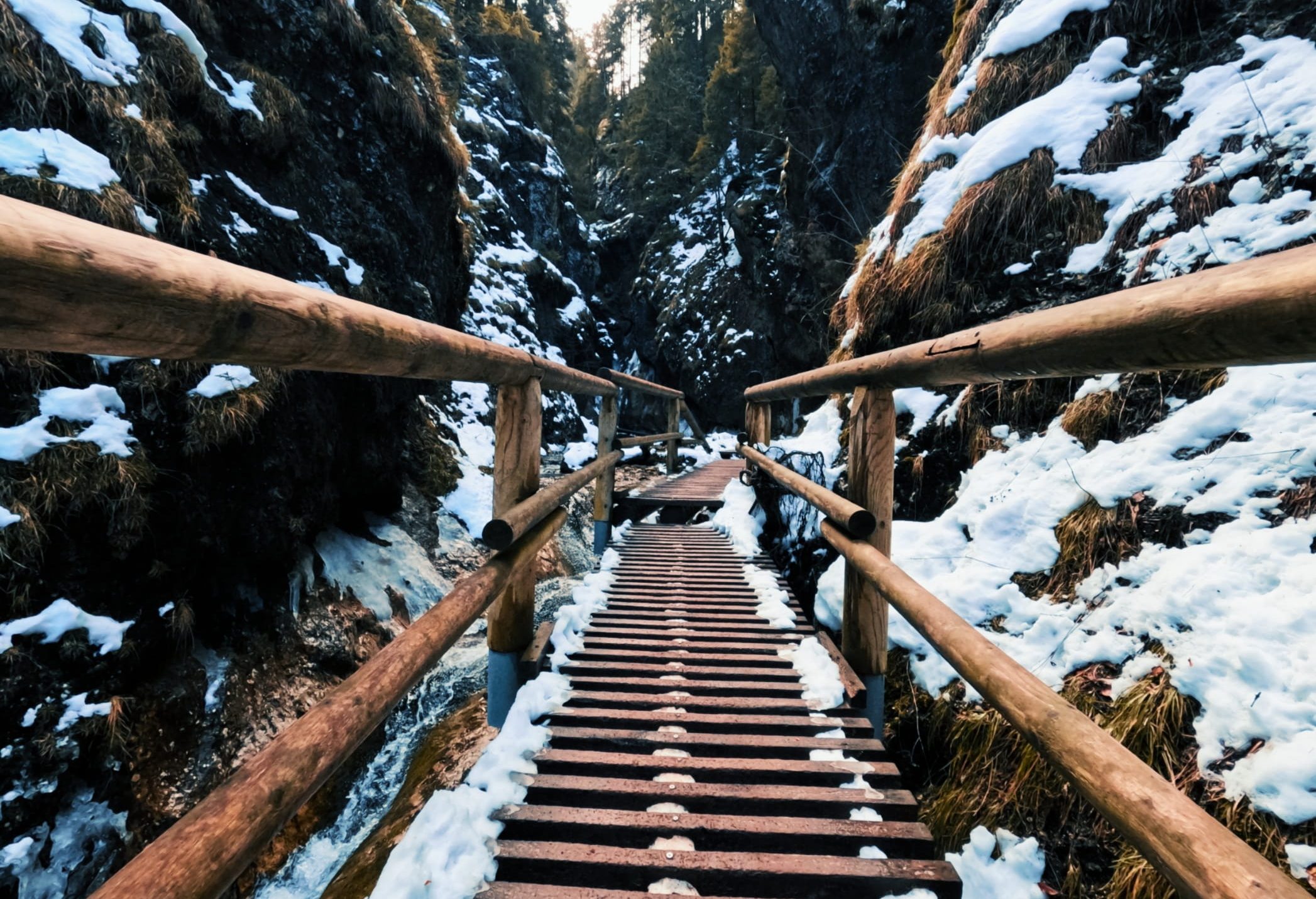
Veľký Rozsutec – Entrance via Štefanová
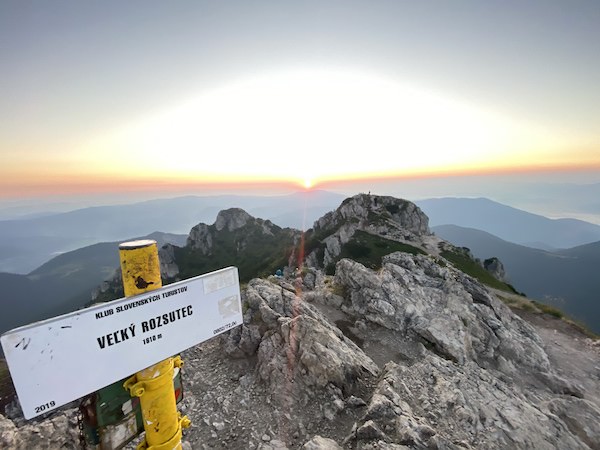
Veľký Rozsutec - Entrance from Štefanová
Location
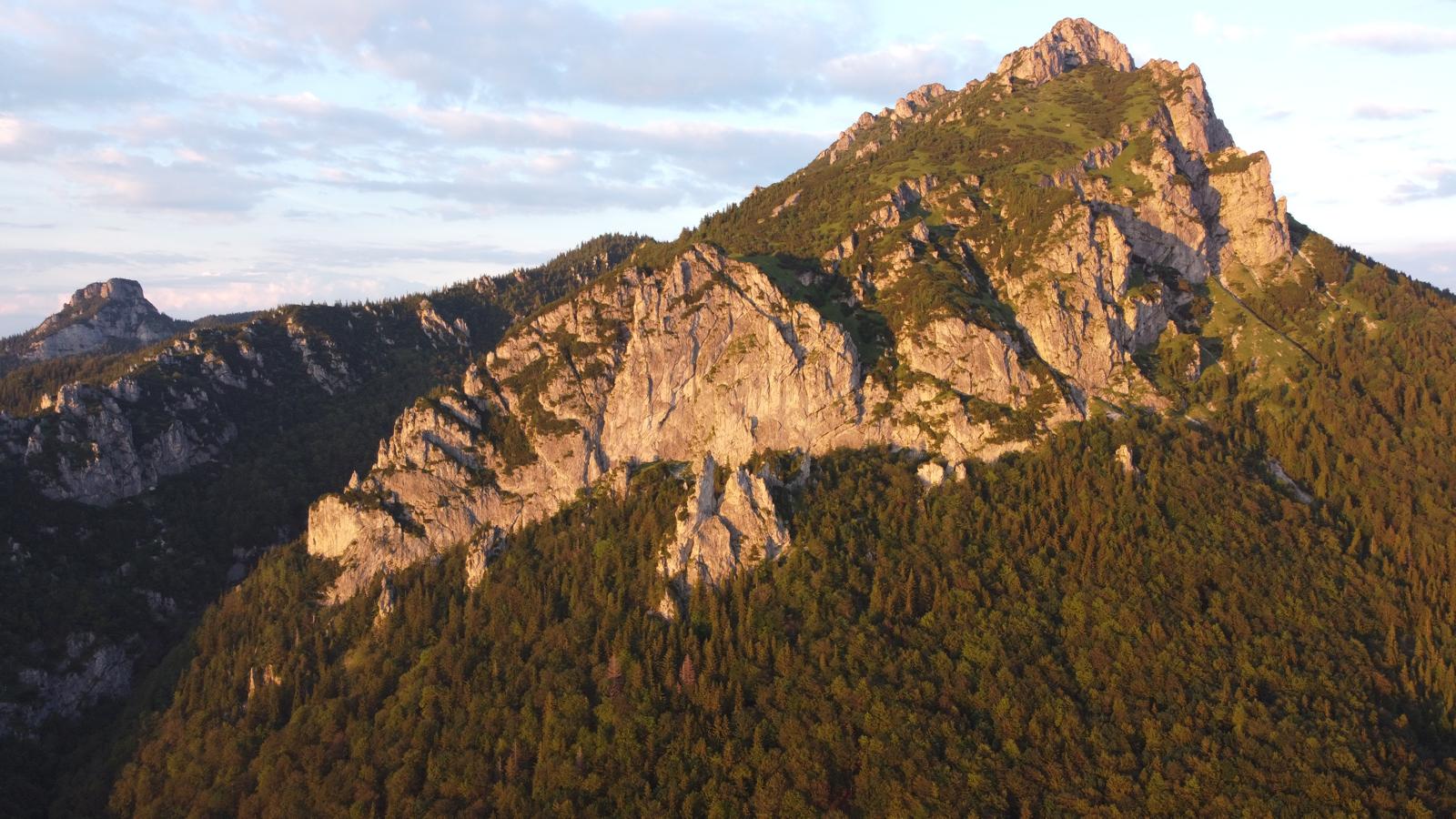
What is Veľký Rozsutec
Veľký Rozsutec – Malá Fatra
The Icon of the Malá Fatra Mountains
Veľký Rozsutec (1,610 m above sea level) is the most iconic peak of the Kriváň part of the Malá Fatra Mountains and one of the most beautiful mountains in Slovakia. It is located within the Rozsutec National Nature Reserve near the village of Terchová. Its distinctive limestone summit offers breathtaking panoramic views of the Malá Fatra Mountains, Orava, Kysuce, and the surrounding mountain ranges.
Nature and Views
Veľký Rozsutec is known for its steep rocky slopes, rare alpine flora, and diverse wildlife. Thanks to its limestone bedrock, many protected plant species thrive here. From the summit, you can enjoy some of the finest panoramic views in Slovakia, including the ridges of the Malá Fatra Mountains, Veľký Kriváň, Stoh, and the surrounding landscape.
Access to the top
Several marked hiking trails lead to Veľký Rozsutec. The summit can be reached from Štefanová, via Jánošíkove diery, or from the Biely Potok area. The final section follows rocky terrain secured with chains, so sturdy hiking boots and sure footing are highly recommended.
Summit
The Character of the Summit
-
A Limestone Giant Veľký Rozsutec is formed mainly of limestone and dolomite, giving it its distinctive rugged appearance. Its steep rock faces, scree slopes, and sharp summit make it one of the most striking natural landmarks of the Malá Fatra Mountains.
-
Panoramic Views The summit offers a 360° panorama of the Malá Fatra Mountains. On a clear day, you can admire Veľký Kriváň, Stoh, Chleb, the Orava Beskids, the Choč Mountains, the Low Tatras, and the Western Tatras.
-
Hike Difficulty The ascent is intended for hikers with good physical fitness and confident footing. The rocky terrain can become slippery after rain or during winter, so sturdy hiking boots and extra caution are strongly recommended.
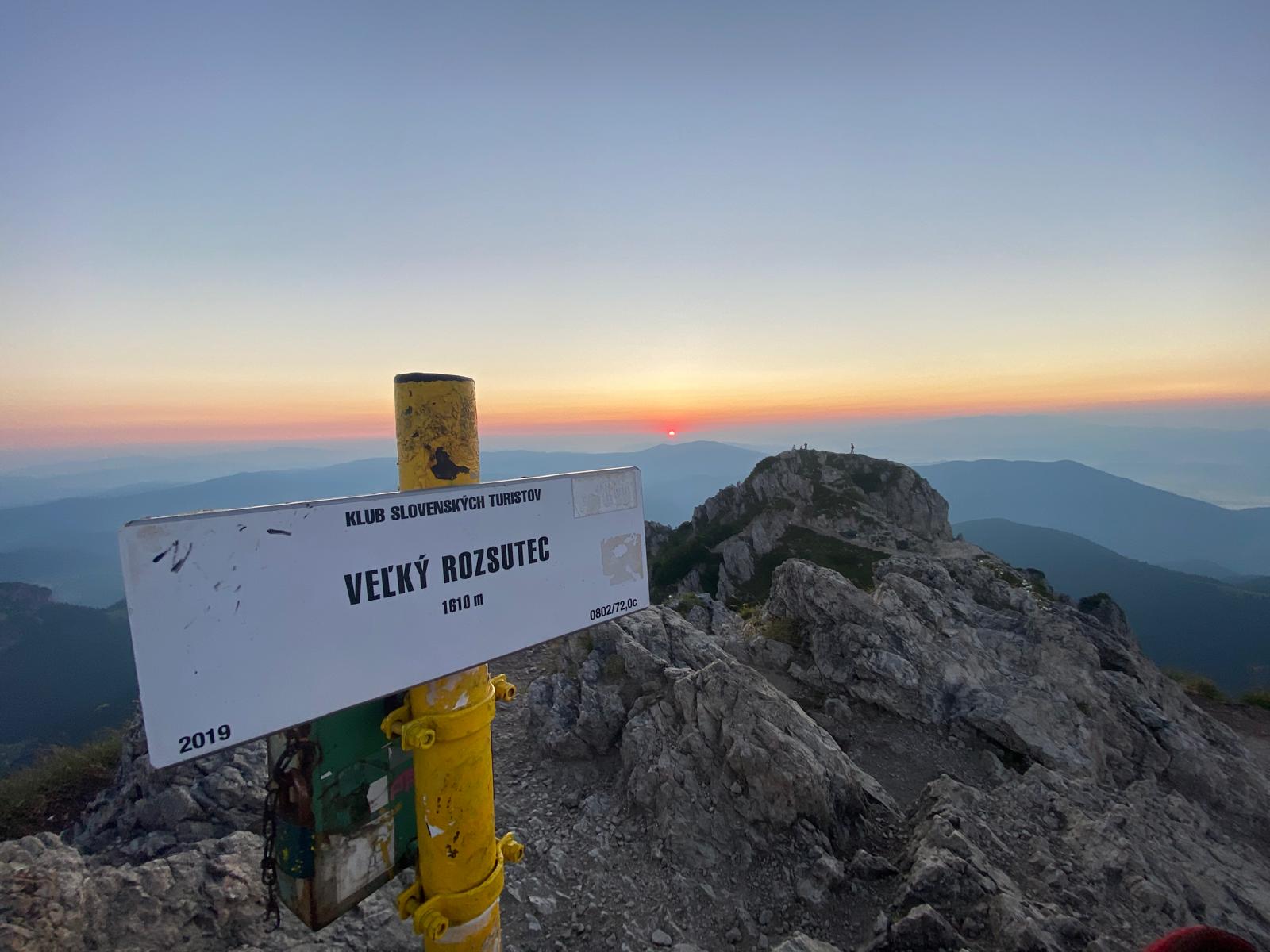
Vrchol Veľkého Rozsutca – 1610 m
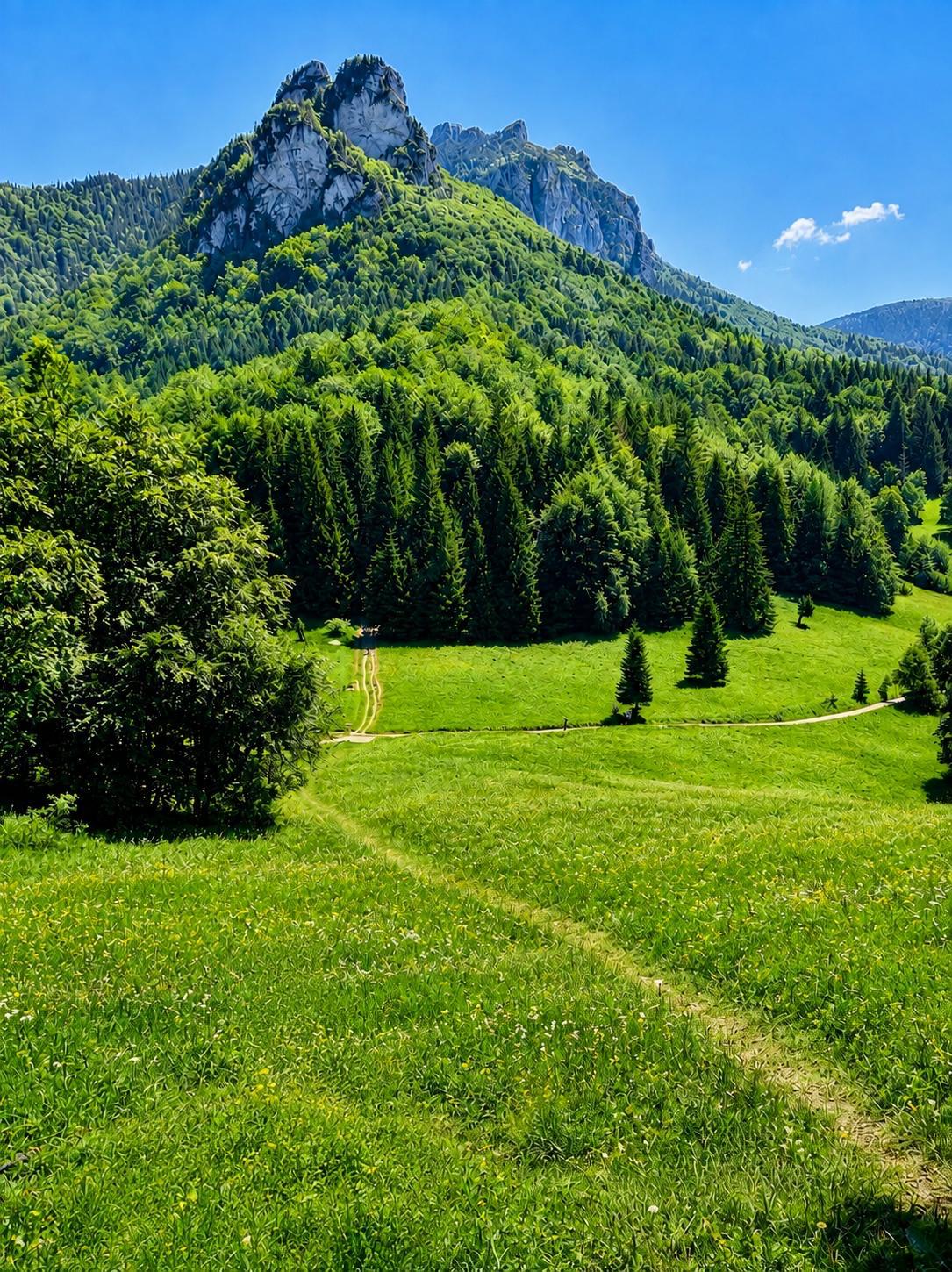
Malá Fatra pri Štefanovej
Ascent
Recommended Routes
From Štefanová — approx. 3 hours 30 minutes (ascent)
The most popular and shortest route to the summit starts in Štefanová and leads via Medziholie Saddle. The trail offers beautiful views throughout the hike and is one of the most frequently used routes to the summit of Veľký Rozsutec.
Circular Route via Jánošíkove diery — approx. 5–6 hours
This route passes through Dolné diery, Nové diery, and Horné diery, continues via Medzirozsutce Saddle to the summit of Veľký Rozsutec, and is considered one of the most beautiful full-day hikes in the Malá Fatra Mountains.
During the summer months, we recommend starting your hike early in the morning. This helps you avoid crowds, high temperatures, and afternoon thunderstorms. After rain or during winter, the rocks and chains can become slippery, so extra caution is advised.
Access
Entrance from Štefanová
Parking
A paid car park is available in the hamlet of Štefanová, right next to the start of the hiking trails. Compared to the car park at Biely Potok, it is usually less crowded and provides a convenient starting point for the ascent.
Availability
Štefanová is easily accessible by both car and bus from Terchová. The hiking trails begin just a few minutes' walk from the car park and the bus stop.
Several marked hiking trails lead from Štefanová to the summit, allowing you to choose either a shorter ascent or a longer circular route through Jánošíkove diery.
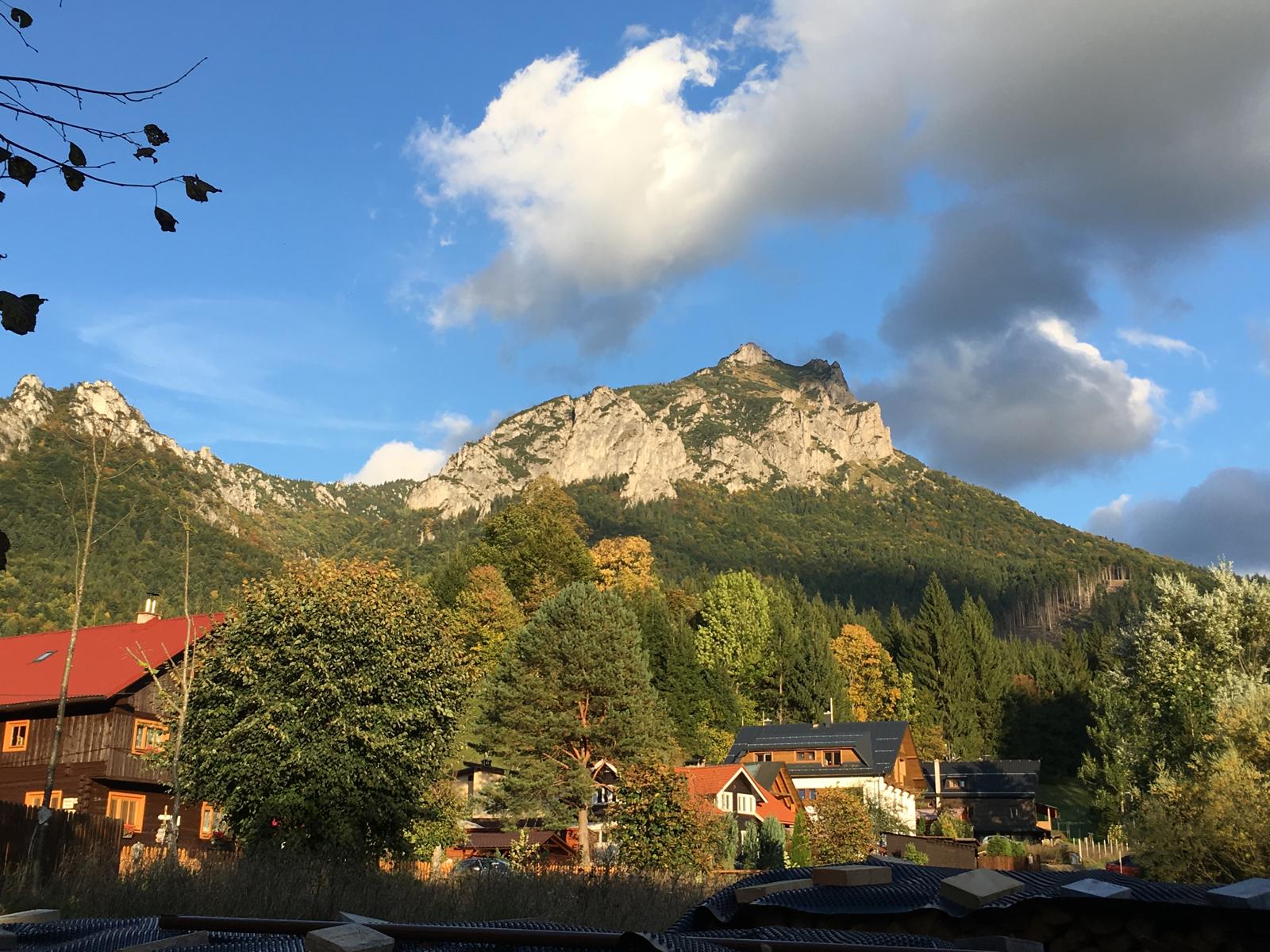
Veľký Rozsutec zo Štefanovej
Info
Practical Information
Footwear
Sturdy hiking boots with good grip are strongly recommended. The final section leads over rocky terrain and includes chain-assisted passages, which may become slippery after rain or in damp conditions.
Seasonal Closure
The hiking trail on the Medziholie – Veľký Rozsutec – Medzirozsutce section is closed every year from 1 March to 15 June to protect the local wildlife and natural environment. We recommend checking the current trail status before your hike.
Children and dogs
The ascent to Veľký Rozsutec is suitable for older children with previous mountain hiking experience. Dogs can complete the route only with great caution, as the final rocky sections with chains may be challenging and potentially dangerous for them.